Services
Sensory Integration
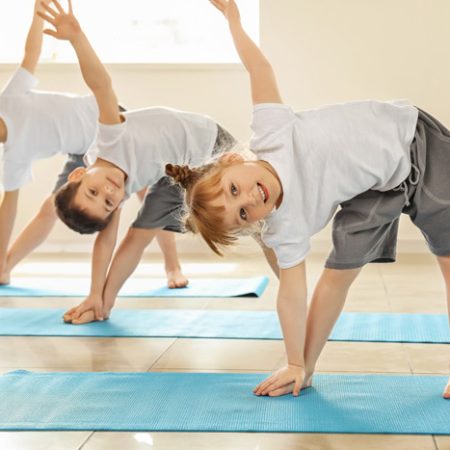
Sensory integration is the way the nervous system receives, interprets, and responds to sensory input from the environment and the body. Sensory integration is a foundational skill that supports the development of motor coordination, emotional regulation, attention, communication, and learning
At Caring Hands Children’s Therapy, we use sensory integration principles to help children develop more effective responses to sensory input. Through structured, play-based activities that target the sensory systems—such as touch, movement, balance, sight, and sound—we support children in becoming more regulated, attentive, and confident in their environments.
Our sensory-based interventions are tailored to each child’s unique needs and may involve:
- Activities that support body awareness, balance, and coordination
- Calming or alerting strategies to support emotional regulation
- Techniques to modulate sensory sensitivities and gradual tolerance to sensory input
- Exercises that support focus and self-control
Our goal is to help children build the sensory foundations they need for learning, playing, and thriving in everyday life.

Gross and Fine Motor Development
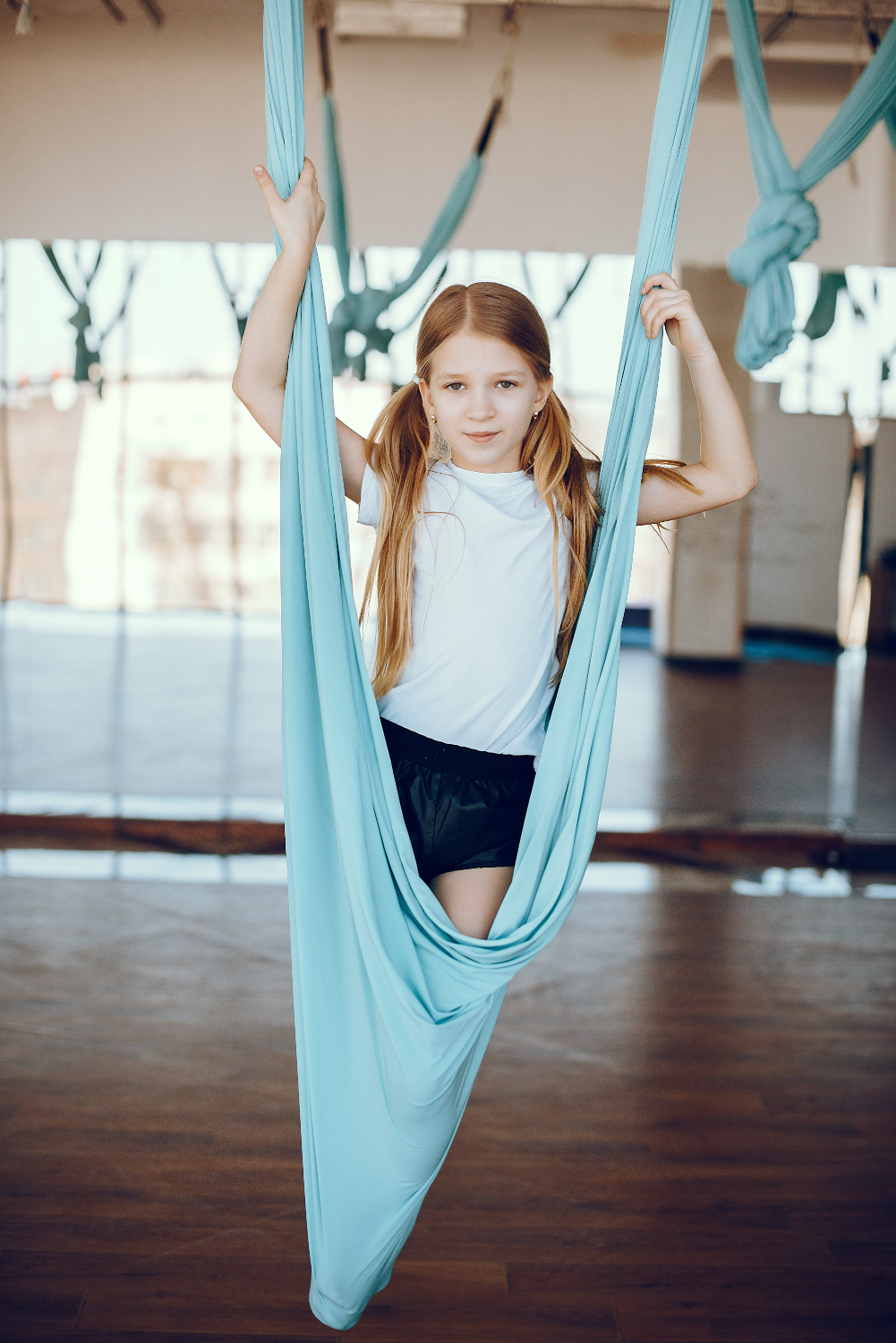
Motor development plays a critical role in a child’s ability to move, explore, play, and complete everyday tasks. At Caring Hands Childrens Therapy, we support both gross motor (large muscle) and fine motor (small muscle) development through targeted, engaging activities designed to build strength, coordination, control, and confidence.
Gross motor skills involve larger movements that use the arms, legs, and entire body—such as crawling, jumping, climbing, balancing, and coordination during movement. These skills form the foundation for physical activities and postural control required for participation in school, sports, and play.
Fine motor skills involve more precise movements using the hands and fingers—essential for tasks like writing, drawing, using utensils, buttoning, and manipulating small objects. Strong fine motor skills support independence in daily activities and academic readiness.
We use a combination of play-based and movement-based approaches to:
- Improve core strength, balance, and body coordination
- Develop hand strength, dexterity, and pencil grasp
- Support bilateral coordination (using both sides of the body)
- Enhance motor planning and spatial awareness
- Build the physical foundation needed for learning, attention, and self-care
Motor development is closely linked to other areas of growth, including sensory integration, attention, and self-regulation. By strengthening gross and fine motor skills, we help children gain the physical abilities they need to participate fully and independently in everyday life.
Cognitive Skills / Executive Functioning Skills / Focus and attention
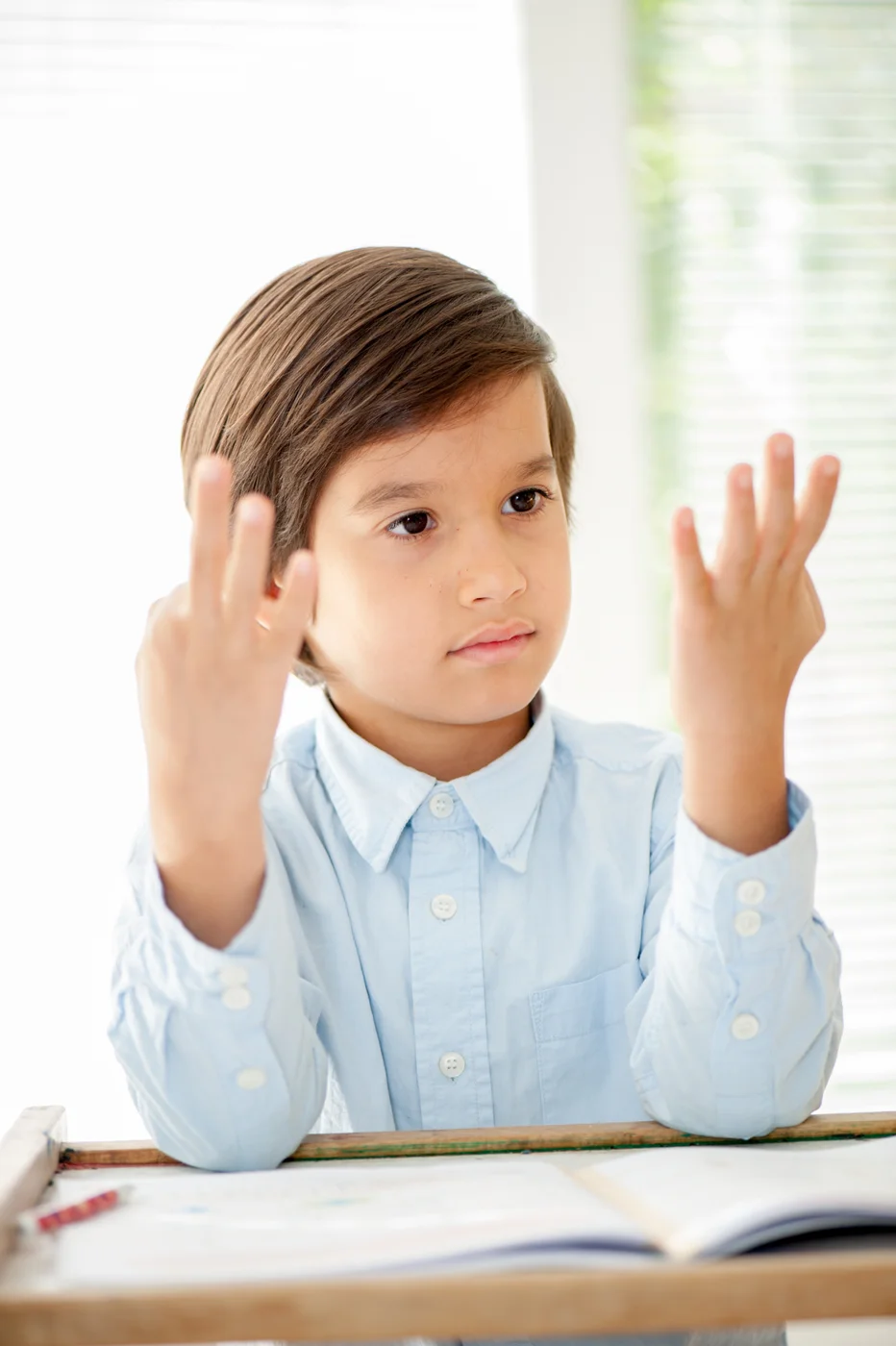
Cognitive and executive functioning skills are essential for how children learn, solve problems, stay organized, and manage everyday tasks. These include mental processes such as focus and attention, working memory, planning, impulse control, flexible thinking, and self-monitoring.
At Caring Hands Childrens Therapy, we support the development of these important life skills through individualized, play-based, and movement-based activities. Our goal is to help children build the tools they need to initiate tasks, maintain focus, follow directions, and adapt to new situations with greater ease and confidence.
Support strategies may include:
- Sensory regulation techniques to help children achieve an optimal state of alertness for learning and attention
- Attention-building games that strengthen focus and reduce distractibility
- Working memory activities, such as remembering and following multi-step instructions
- Problem-solving and reasoning tasks woven into everyday play
- Visual schedules and task organization tools to support planning and sequencing
- Encouraging impulse control and goal-directed behavior through structured, engaging challenges
- Promoting cognitive flexibility to manage transitions and changes in routine
Executive functioning skills are key to a child’s success in school, social interactions, and daily independence. By nurturing these abilities in a supportive and engaging environment, we empower children to thrive in all areas of life.
Self-Care Skills
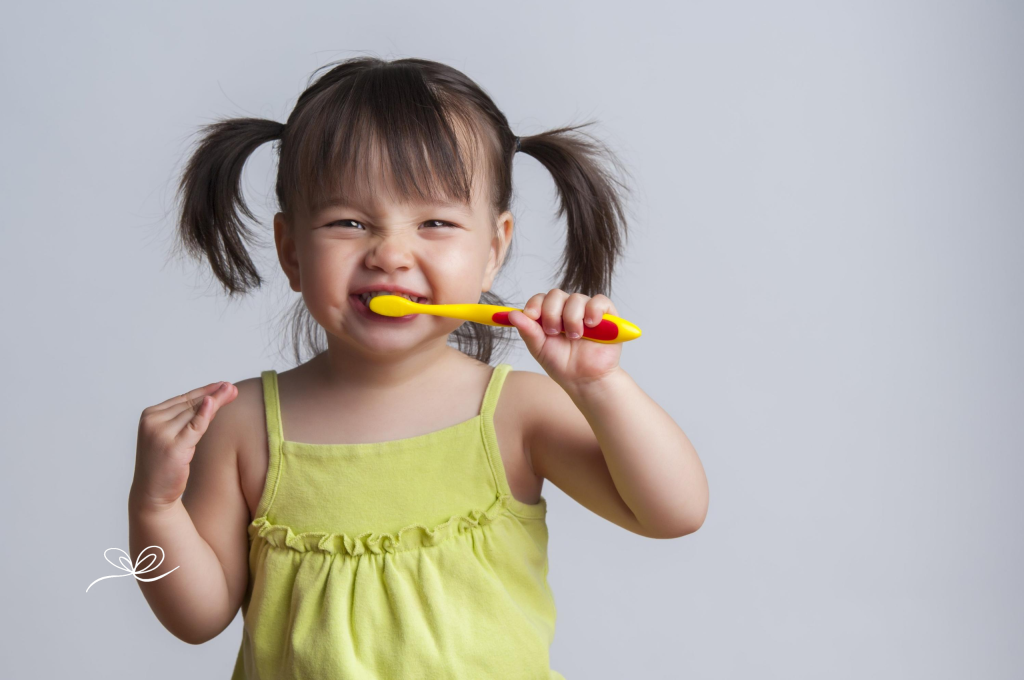
Self-care skills are essential for a child’s independence and daily functioning at home, school, and in the community. These include everyday tasks such as dressing, feeding, toileting, grooming, and managing personal belongings. Developing these skills not only fosters independence but also supports confidence, self-esteem, and readiness for social and academic participation.
At Caring Hands Childrens Therapy, we support children in building self-care skills by breaking tasks into manageable steps and using play-based, sensory-informed, and functionally relevant approaches. We consider each child’s developmental level, motor abilities, sensory needs, and cognitive skills to create meaningful, achievable goals.
Our support may include:
- Dressing skills, including buttoning, zipping, and putting on shoes
- Toileting routines and hygiene habits
- Feeding and utensil use for increased independence at mealtimes
- Handwashing, grooming, and basic personal care
- Organizing and managing belongings, such as packing a bag or organizing a school desk
- Visual supports, routines, and sensory strategies to increase engagement and independence
Self-care is a foundational life skill that sets the stage for participation in school, social settings, and community life. By supporting children in mastering these everyday tasks, we empower them to become more confident, capable, and independent in their world.
Emotional Regulation
Emotional regulation is the ability to recognize, manage, and respond to emotions in a socially appropriate and flexible way. It plays a crucial role in a child’s ability to cope with challenges, build relationships, follow routines, and participate successfully in learning and play.
At Caring Hands Childrens Therapy, we support emotional regulation by helping children understand their emotions, develop calming strategies, and build resilience in response to everyday stressors. We use sensory-based, play-based, and relationship-focused approaches to create a safe and supportive environment where children can learn to identify feelings, express themselves appropriately, and regain control when overwhelmed.
Our emotional regulation support may include:
- Sensory regulation strategies to help children achieve a calm and alert state for emotional well-being
- Identifying triggers and early signs of dysregulation
- Teaching age-appropriate coping tools such as deep breathing, movement breaks, and use of sensory tools
- Building self-awareness and expanding emotional vocabulary
- Supporting co-regulation strategies with caregivers and educators
- Enhancing flexibility, impulse control, and frustration tolerance
Emotional regulation is a foundational life skill that underpins a child’s success in social interactions, academic performance, and participation in everyday routines. By nurturing these skills early, we help children build the emotional resilience and confidence they need to thrive both at home and in their wider community.

Handwriting and Pre-Writing Skills
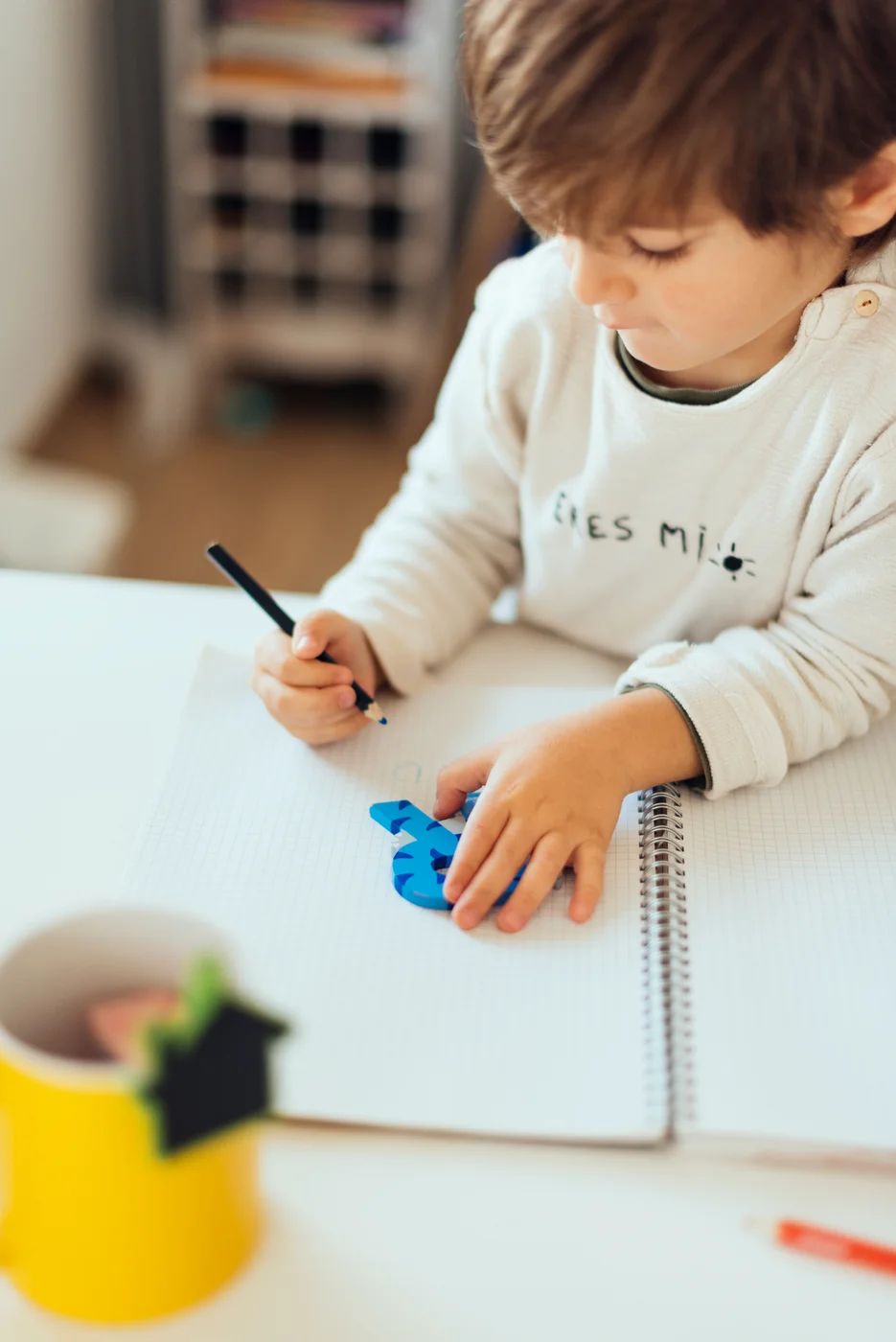
Handwriting is a complex skill that builds upon a foundation of fine motor control, visual-motor integration, posture, and attention. At Caring Hands Childrens Therapy, we support the development of pre-writing and handwriting skills through engaging, developmentally appropriate activities that help children gain the strength, coordination, and confidence needed for writing success.
We focus not only on the act of writing but on the foundational skills that make it possible, including:
- Fine motor strength and dexterity for pencil control and endurance
- Hand grasp development, progressing from early grasp patterns to mature pencil grips
- Bilateral coordination to support stabilizing the paper while writing
- Visual-motor integration for copying shapes, letters, and words accurately
- Letter formation and spacing to support legibility and writing fluency
- Postural stability and core strength for sustained seated work
- Sensory regulation strategies to support attention, body awareness, and motor control during writing tasks
For younger children, we incorporate pre-writing activities such as drawing shapes, tracing lines, manipulating playdough, and using tactile surfaces to build readiness for formal handwriting. For older children, we work on refining handwriting fluency, speed, and legibility to support classroom participation and academic confidence.
Our goal is to help each child develop a positive relationship with writing, reduce frustration, and build the skills they need to communicate and participate fully in school and daily life.
Primitive Reflex Integration
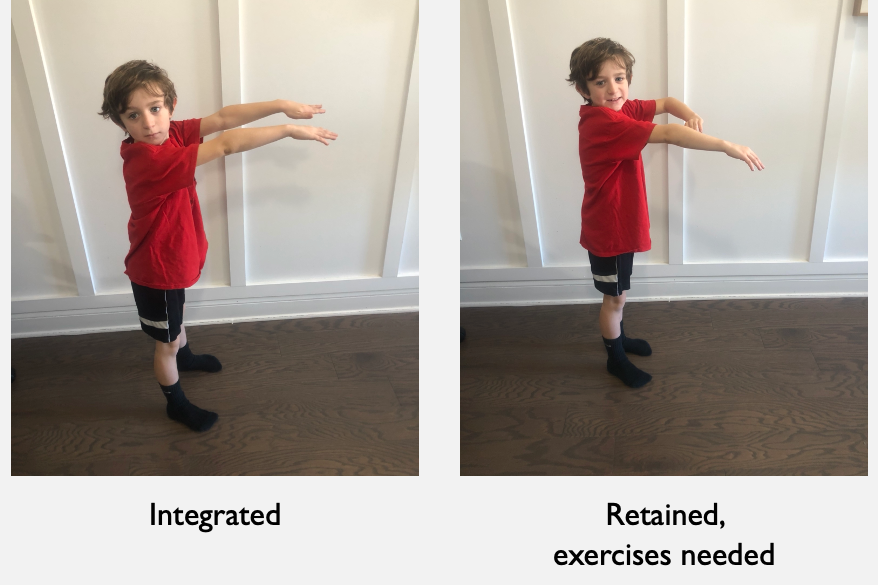
Primitive reflexes are automatic, involuntary movements that are present at birth and play a crucial role in early development. These reflexes help infants respond to their environment and begin to develop movement patterns that lay the foundation for later motor skills, coordination, and learning. As children grow and develop, these reflexes are typically integrated into more voluntary, controlled movements. However, if primitive reflexes are retained or not fully integrated, they can interfere with motor skills, sensory skills, attention, behavior, and academic performance.
At Caring Hands Chldrens Therapy, we assess and support the integration of primitive reflexes as part of our comprehensive approach to child development. Through targeted, movement-based exercises and activities, we help children integrate these reflexes, which supports the development of more refined motor coordination, emotional regulation, and cognitive skills.
Primitive reflex integration may involve:
- Movement exercises and activities designed to stimulate and integrate retained reflexes
- Body awareness techniques that help children develop more controlled, purposeful movements
Integrating primitive reflexes helps children achieve greater physical and emotional balance, improve focus, and enhance learning capabilities. By addressing retained reflexes early, we promote healthier development and help children overcome challenges related to motor, emotional, and cognitive skills.

Report writing
We provide comprehensive, individualized assessments to understand each child’s strengths, challenges, and developmental needs. Using standardized tools, clinical observations, and input from parents and educators, we create clear, actionable reports for families, schools, and NDIS funding.
Our services include NDIS reports, school reports, general therapy reports, and specialized assessments like the Sensory Profile and Vineland Adaptive Behavior Scales. NDIS-specific documents may include Functional Capacity Reports, Plan Review Reports, and Equipment Support Letters.
Our aim is to provide practical recommendations that help children thrive at home, school, and in the community.
Yoga for kids
We offer one-to-one yoga sessions tailored to each child’s unique needs and abilities. Combining occupational therapy principles with yoga, these sessions help children improve strength, balance, coordination, and body awareness while promoting calmness, focus, and self-regulation. Guided by a certified yoga trainer and occupational therapist, each session is designed to be engaging, therapeutic, and aligned with the child’s developmental goals — helping them grow physically, emotionally, and mentally in a safe, supportive environment.